
A Schengen visa is a type of residence permit in Europe that allows people to easily travel among the 26 European countries that are members of the Schengen Agreement and enjoy various medical, educational, tourism infrastructure and job opportunities. This visa can be issued in different types. Today, in this article, we are going to introduce Schengen visa type C and type D from 0 to 100 and the differences between them. Stay with us.
What is the Schengen visa?
This visa is a type of residence permit for living, working or studying in 26 European countries, which allows people to travel to these 26 European countries without the need to obtain a separate visa. Today, the expansion of industries and economic progress in the European continent has caused us to see a large number of people applying for Schengen visas. This issue has caused the officials and senior managers of the European Union and the politicians of the member countries of the Schengen Agreement to create different types of this visa so that people can obtain their desired type of Schengen visa according to the goals they have in mind.
But which European countries are members of the Schengen Agreement? Austria, Belgium, Czech Republic, Denmark, Estonia, Finland, France, Germany, Greece, Hungary, Iceland, Italy, Latvia, Lithuania, Luxembourg, Malta, Netherlands, Norway, Poland, Portugal, Slovakia, Slovenia, Spain, Sweden, Switzerland and Liechtenstein are 26 European countries that have signed the Schengen Agreement and made it possible for Schengen visa applicants to travel easily to other European countries.
Benefits of getting a Schengen visa
But getting this visa can bring many benefits to its holders. Stay with us to continue to review these benefits.
By obtaining a Schengen visa, you can travel to 26 member countries of this region without the need for a separate visa. Of course, it does not matter if these trips are made by land, air, rail or sea. In any case, you have the possibility to travel to Schengen countries without any problems.
After entering the Schengen area, Schengen visa holders can move between member states without the need for a passport or border control. Such people can save a large part of their time. Of course, this has a great impact on saving financial resources.
A Schengen visa allows participation in short-term training courses, visits to international exhibitions and events, as well as the search for employment and investment opportunities in Europe. As a result, by receiving this visa, you can use the best educational, medical, investment and tourism opportunities.
Types of Schengen visas
Type A visa: This visa, known as a transit visa, is a type of short-term visa that allows people to stay for a short time at the airports of Schengen countries. People who have this type of visa are not allowed to leave the airport and can only use this visa for the stops they may have in the Schengen countries. In order to receive this visa, you must prove your short-term stay in the destination country.
Type B visa: This type of visa is very similar to the Schengen visa type A, but with the difference that its validity period has increased from one day to 5 days, and it allows people to leave the airports of Schengen countries. and step into urban and economic environments.
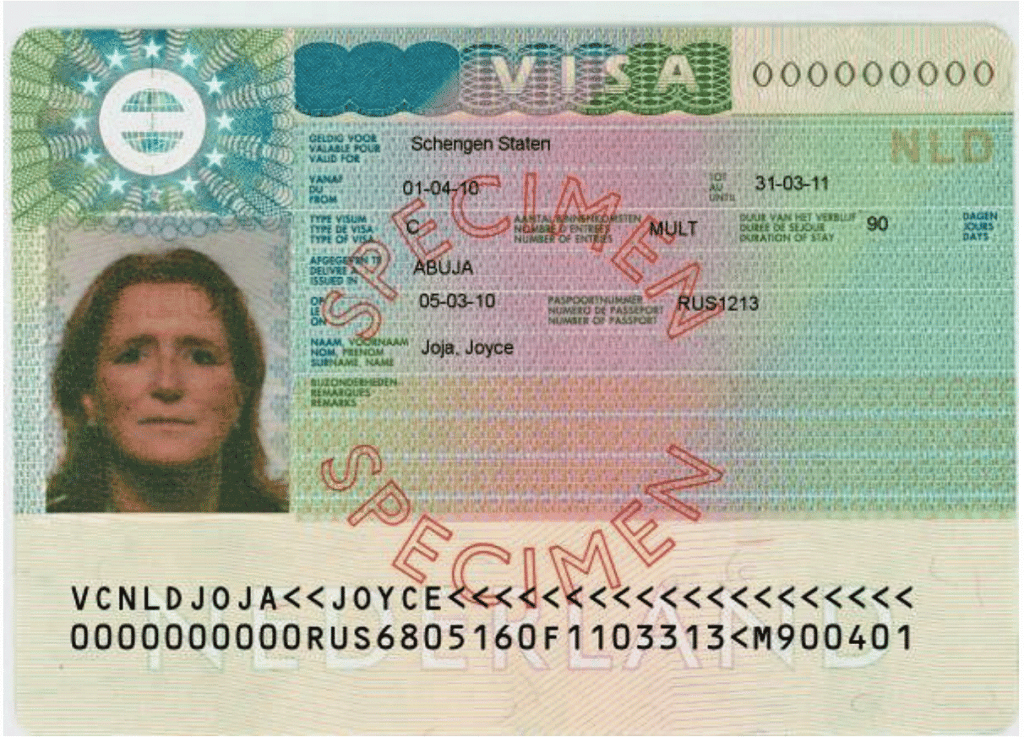
Type C visa: It is one of the most popular types of Schengen visa, which allows people to walk freely in the country of their choice for a certain period of time and use the facilities and infrastructure of that country. In the following, we will get to know more about this type of visa.
Type D visa: But this type of Schengen visa is issued for a long term and is more suitable for people who intend to study or find a job in the country in question. In the following, we will get to know more about this type of visa.
LTV type Schengen visa: Another type of Schengen visa that brings special restrictions to its owner. Holders of this visa can only travel to the country or countries whose name is mentioned in the visa, and their travel to other countries is illegal.
What is Schengen visa type C?
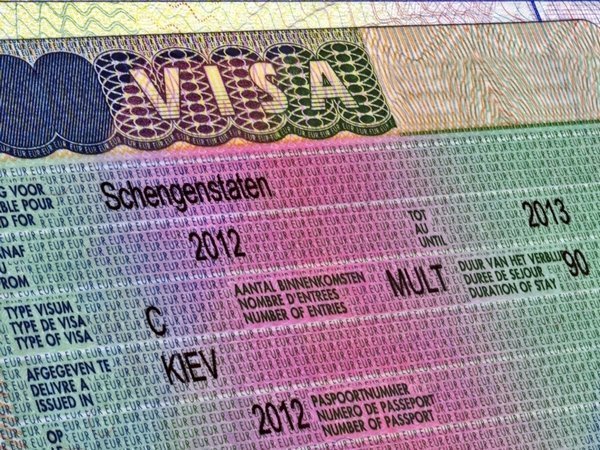
As we said, the type C visa is known as the most popular type of this visa, which allows its owners to travel freely in the member countries of the Schengen Agreement for a certain period of time. But you need to know that this visa is issued in 3 types according to the validity period and the number of times allowed to enter the destination country.
Single entry visa: This visa is mainly issued to people who do not travel to Europe frequently. Accordingly, the single Schengen visa, as its name suggests, allows its holders to enter the countries that are members of the Schengen agreement only once, and if the person leaves that country, even if the validity of this visa remains, this visa is invalid. it counts.
Double entry visa: The description of this type of Schengen visa type C is very similar to the previous one, but with the difference that people with this type of Schengen visa are allowed to enter the countries of this region twice, and after the second exit Even if the visa is valid, other people will not be allowed to travel.
Multi visa: But let’s talk about the most popular type of Schengen visa type C. This visa allows people to move for 90 days among the European countries that are members of the Schengen Agreement and take advantage of the golden opportunities of investing in Arepa, studying in Europe and things like to enjoy such It is worth noting that people have the possibility to use these 90 days for 6 months.
What is Schengen visa type D?
Type D visa is mainly issued to people who intend to study, work or live in one of the member countries of the Schengen Agreement. This visa is usually valid for one year, and for this reason, it is also known as a long-term visa. In order to get this visa, you need to submit plans to the visa issuing authorities that include your main plans for living in Europe for one year. In the meantime, it is mandatory to provide a certificate of financial ability as well as a certificate of no bad background so that you can ensure that your presence in that country will not bring additional costs to the government of the destination country.
It is worth noting that this visa can be extended, although its extension is subject to the re-submission of said documents. As a result, if you intend to study or work in one of the countries of the Schengen area, or even if you will travel to these countries for sports, sightseeing or living and relaxing, you need to submit a strong plan to obtain this type of visa. Schengen
It is worth mentioning that this visa can be issued as a single-entry, double-entry or multi-entry visa, which can be different according to the needs of people traveling to Europe.

The difference between Schengen visa type C and type D
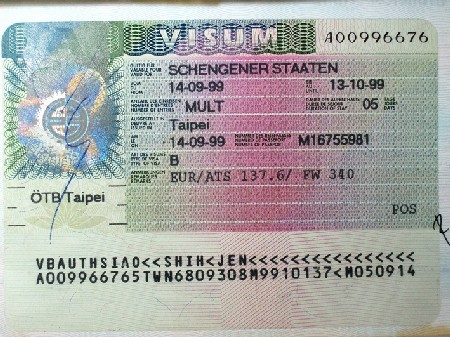
Type C visa is mainly issued to people who intend to travel to the country of their choice in order to tour Europe, but type D visa is issued for long-term purposes.
Type C visa is valid for 90 days, which people must use in a period of 6 months, but with type D visa, people can live in European countries for one year without interruption.
Documents required to obtain the mentioned visas
Visa application form
Valid passport
Two new photos
Identity documents such as birth certificate and general card
Travel insurance with a coverage of 30,000 euros
Providing a complete travel plan, including round-trip tickets and accommodation
Certificate of financial ability and no bad background
Invitation for educational, medical or work purposes and type D visa application
What persons is each visa suitable for?
Before applying for a Schengen visa, you should consider your personal needs when traveling to Europe. In fact, you should first measure how long you will stay in order to act accordingly. This is one of the main reasons why applicants should provide a complete plan of their trip.
Who do you think type C visa is suitable for?
As we said, this visa is valid for 90 days, and people have 180 days to use it. For this purpose, people who intend to travel in Europe or undergo a short treatment period or participate in various conferences and seminars can apply for this type of Schengen visa.
But who is suitable for receiving type D visa?
Some people may travel to Europe in order to study or undergo a long treatment period. If it is determined in people’s plans that they must stay in Europe for at least one year, people can obtain a type D visa and extend it after the period ends.
While thanking you dear ones for accompanying us in this article, we hope that the presented material will be useful for you dear ones. We know that Schengen type C and D visas are types of European residence visas that are issued according to the needs of people for the duration of their stay in Europe and allow people to move easily between 26 European countries. Nobility Immigration Institute works professionally in the field of consulting for obtaining residence in Europe and Schengen countries. You can contact us for more information and free consultation.