
Europe’s tourist attractions are a fascinating blend of ancient history, diverse cultures, and stunning natural landscapes that attract millions of people from all over the world every year. With a rich heritage rooted in great empires, the Age of Enlightenment, and industrial revolutions, the Green Continent has managed to maintain its authenticity and beauty alongside modern development. From the art museums of Paris to the ancient ruins of Rome and the turquoise beaches of Greece, every corner of Europe has a story to tell. In this article, you will get to know the best tourist attractions in Europe, so stay with us.
Table of Contents
ToggleThe best tourist attractions in Europe
Exploring the best tourist attractions in Europe means walking through the history, art, and architecture that have shaped the world. This list is a selection of 27 places that you must see on a trip to the continent and make for an unforgettable experience. Below, 27 of the most outstanding sights in Europe are presented with full descriptions:
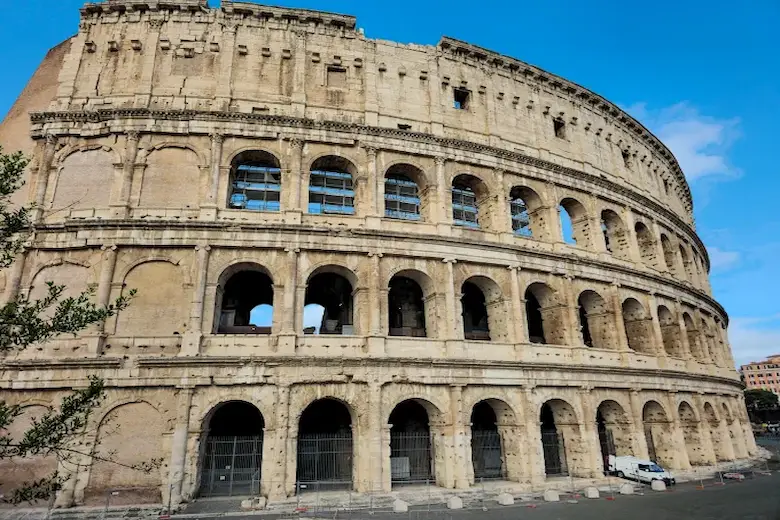
Colosseum, Rome, Italy
The Colosseum, the eternal symbol of the Roman Empire, still stands majestically in the heart of Rome. Once the site of gladiatorial battles and public spectacles, this massive amphitheater is a living reflection of the power and engineering of the ancient Romans. A visit to this structure is an opportunity to imagine the splendor and sometimes terror of that era. Every stone in this building tells a story of history that is essential for any history buff to understand. It is one of the most important tourist attractions in Europe for lovers of classical history.
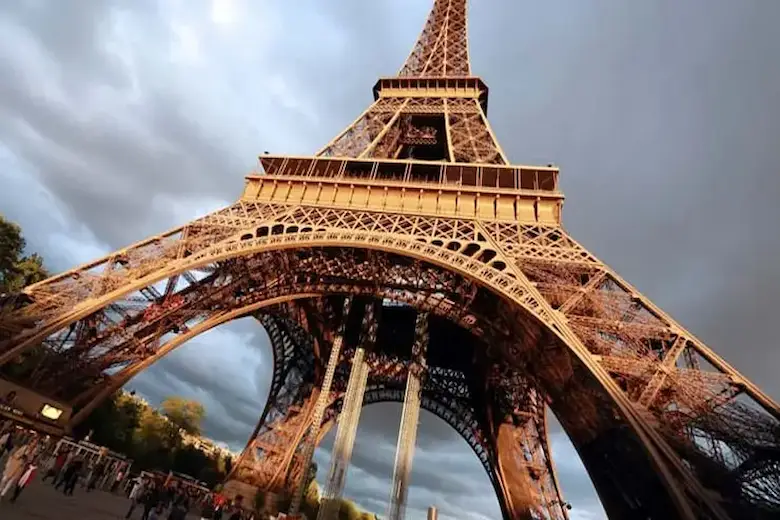
Eiffel Tower, Paris, France
Without a doubt, the Eiffel Tower is the symbol of the most romantic city in the world, Paris. Originally built for the 1889 World’s Fair, this iron structure has now become a global symbol of engineering and beauty. Climbing the tower and taking in the panoramic views of the City of Lights is an experience that many visitors dream of. It is one of the most visited tourist attractions in Europe, and the sunsets create magical moments alongside it.
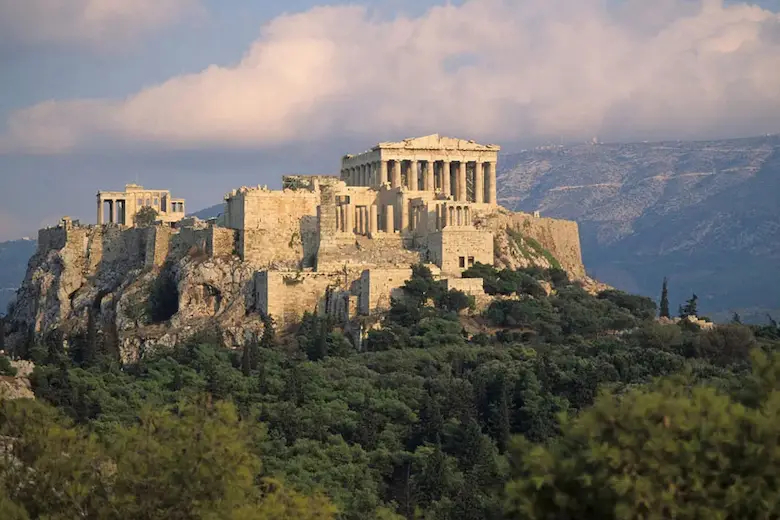
Acropolis, Athens, Greece
The Acropolis, a sacred hill overlooking Athens and home to the magnificent Parthenon, is considered the cradle of democracy and Western philosophy. This ancient monument represents the pinnacle of classical Greek architecture, and a visit to it is a tribute to a civilization that laid the foundations of the modern world. The attention to detail and grandeur of this structure doubles its historical significance. For those planning to travel to this region, obtaining a Greek visa is the first step to seeing this world heritage site.
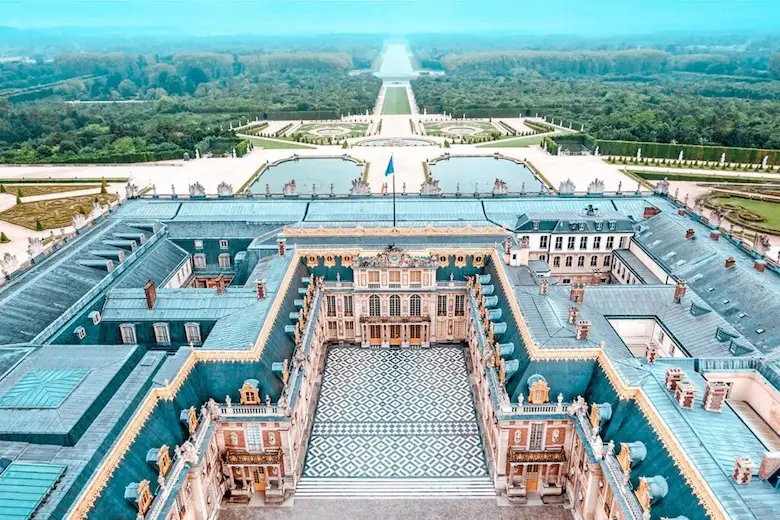
Palace of Versailles, Paris, France
The Palace of Versailles, a symbol of the excesses of the French monarchy before the Revolution, is a masterpiece of Baroque splendor. From the Hall of Mirrors to the vast and luxurious gardens, every part of Versailles tells the story of the ambition of kings, especially Louis XIV. The palace is not only a historical monument, but also a treasure trove of art, furniture and landscape design, making it one of the most important tourist attractions in Europe.
Louvre Museum, Paris, France
The Louvre, the world’s largest art museum, is home to masterpieces such as the Mona Lisa and the Venus de Milo. Housed in a magnificent building with an iconic glass pyramid, the museum is a journey through human history through thousands of works of art. Wandering through the vast halls of the Louvre can take days, but visiting the main sections is essential to understanding the evolution of world art. The museum is a must-see on any list of European tourist attractions.
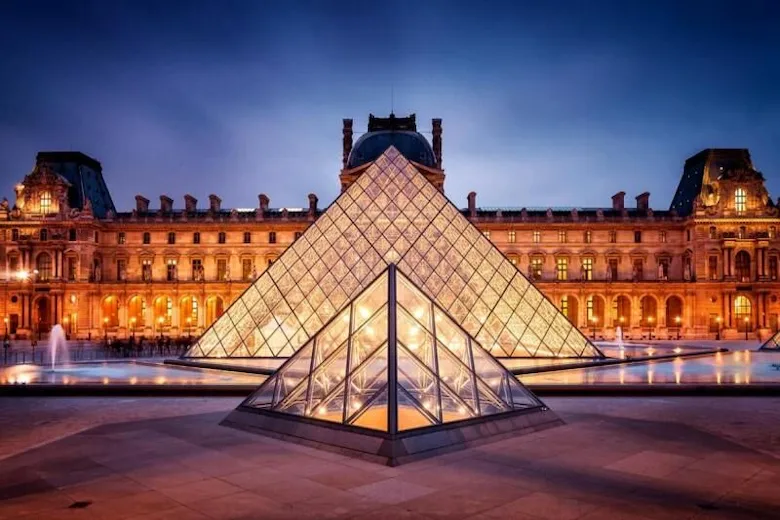
Sagrada Familia Cathedral, Barcelona, Spain
This unfinished masterpiece by Antoni Gaudí is a unique blend of Gothic and Art Nouveau architecture. With intricate details inspired by nature, the Sagrada Familia is not only a religious building, but also an organic work of art that is constantly changing and perfecting itself. Its interior lighting, which passes through stained glass, creates a dreamlike atmosphere, making it one of the most unique tourist attractions in Europe.
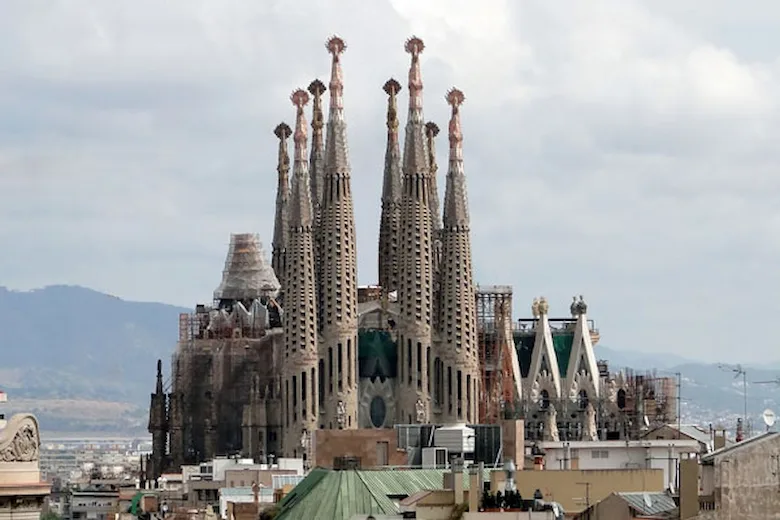
Canals of Amsterdam, Netherlands
Amsterdam’s intricate network of canals, a UNESCO World Heritage Site, is the beating heart of the city. A boat ride on these waterways is the best way to explore the architecture of the narrow, beautiful Dutch houses, carefully built close together. With a friendly atmosphere and a cycling culture, the city offers a different experience than most European tourist attractions.
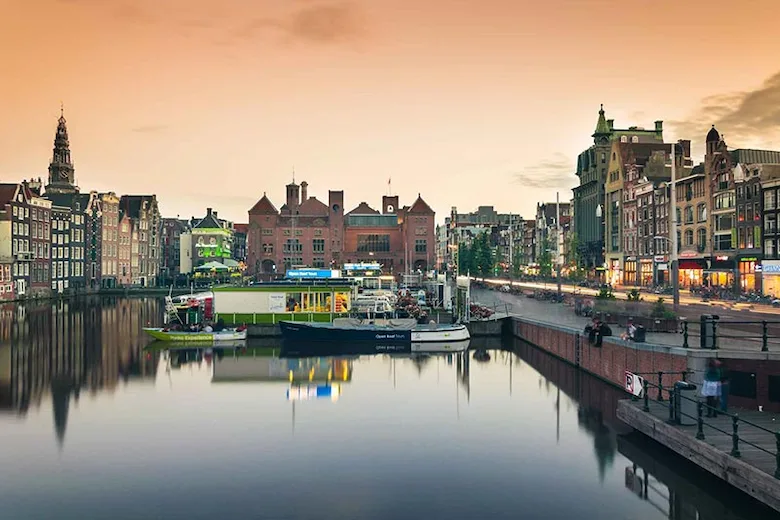
Neuschwanstein Castle, Bavaria, Germany
This fairytale castle, which inspired Disney castles, is the perfect image of 19th-century romanticism. Nestled amidst the mountains and forests of Bavaria, Neuschwanstein is a fairytale icon due to its enchanting appearance and magnificent location. Careful planning for your visit and information on obtaining a German visa are essential for traveling to this region.
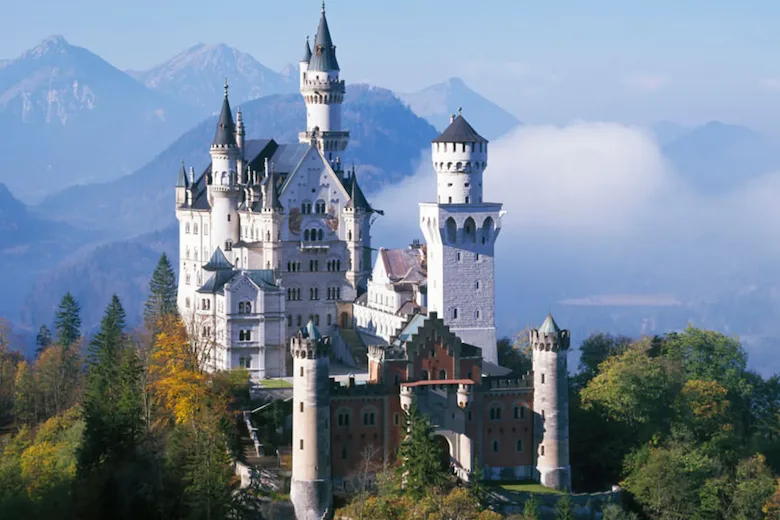
Buckingham Palace, London, England
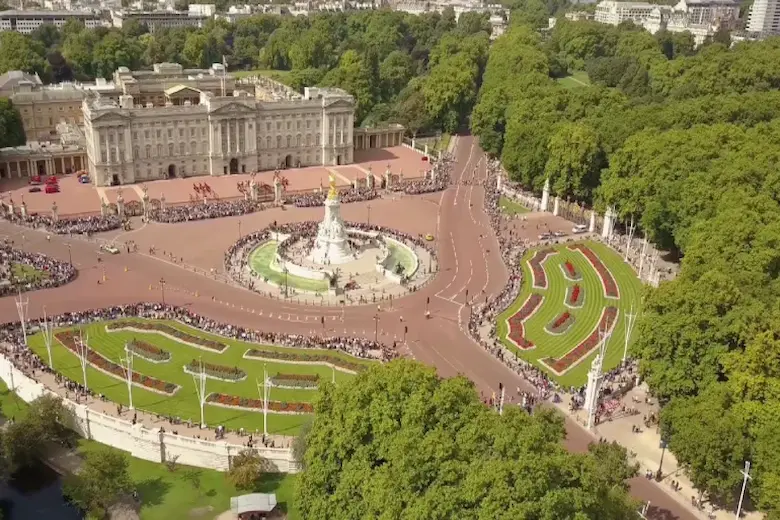
The official residence of the British monarchy, Buckingham Palace is one of the world’s most iconic symbols of monarchy and tradition. Watching the Changing of the Guard is a popular tradition that attracts thousands of tourists. The palace is a symbol of England’s historical stability and a visit to it is an integral part of understanding European tourist attractions.
British Museum, London, England
The British Museum houses one of the world’s richest collections of historical and archaeological finds, including the Rosetta Stone and the Parthenon sculptures. The museum plays an important role in showcasing world history and a visit to it helps to better understand the history of civilizations. Entry to the museum is free, making it one of the most popular tourist attractions in Europe.

St. Peter's Cathedral
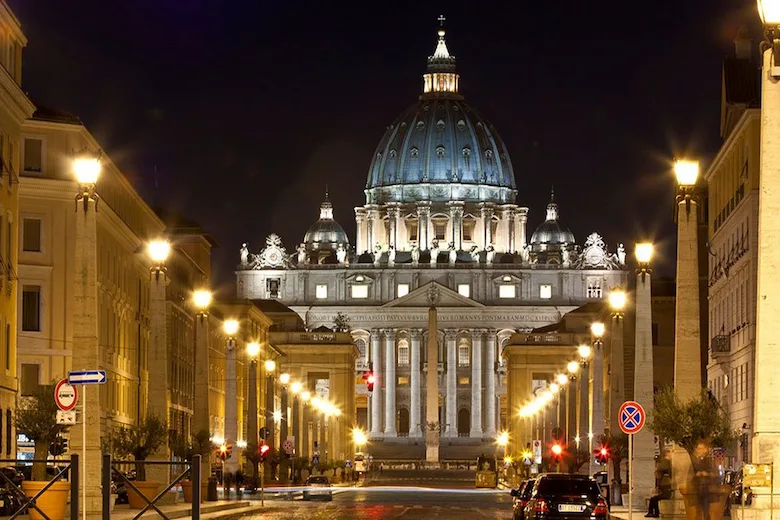
The Vatican, the world’s smallest country and the center of the Catholic Church, is home to unparalleled masterpieces such as St. Peter’s Basilica and the Vatican Museums. Works by Michelangelo and Raphael are gathered here, showcasing the artistic grandeur of the Renaissance. This place is not just a religious destination, but the pinnacle of classical and religious art in European tourist attractions.
Abandoned Square, Prague, Czech Republic
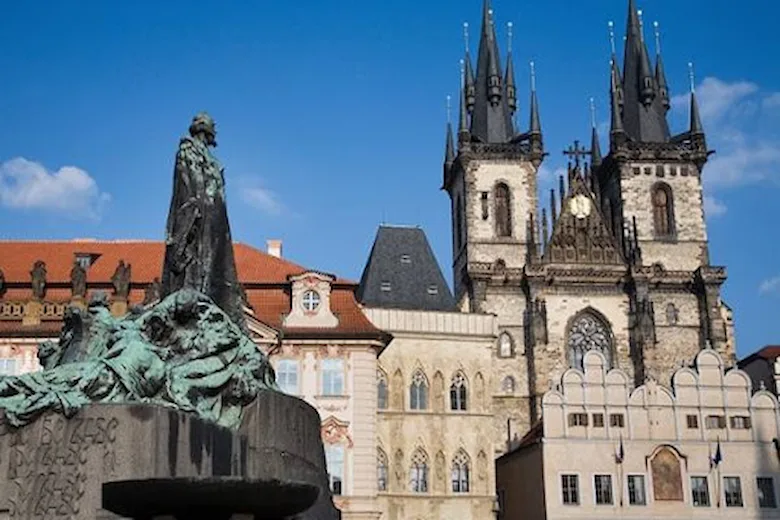
Prague’s Old Town Square, with its famous Astronomical Clock, is the historic heart of this magical city. The Baroque and Gothic architecture that surrounds the square, along with street music, create an enchanting atmosphere. Watching the clock strike every hour, especially during rush hour, is one of the most memorable parts of a trip to this area.
Julian Alps National Park, Slovenia
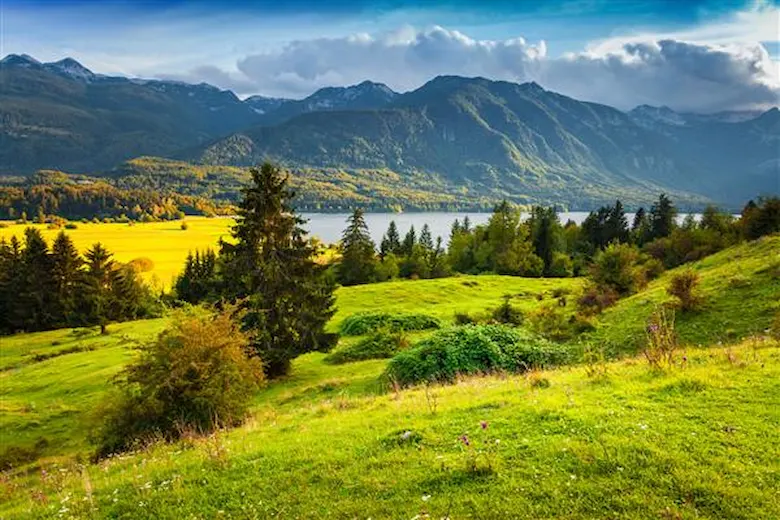
For nature lovers, Slovenia is a pristine destination. With emerald lakes like Lake Bled, towering mountains, and unparalleled hiking trails, the Julian Alps National Park is a prime example of unspoiled beauty among European tourist attractions. The region offers a chance to escape the hustle and bustle of big cities and breathe in the fresh mountain air.
Lisbon Old Town (Alfama), Portugal
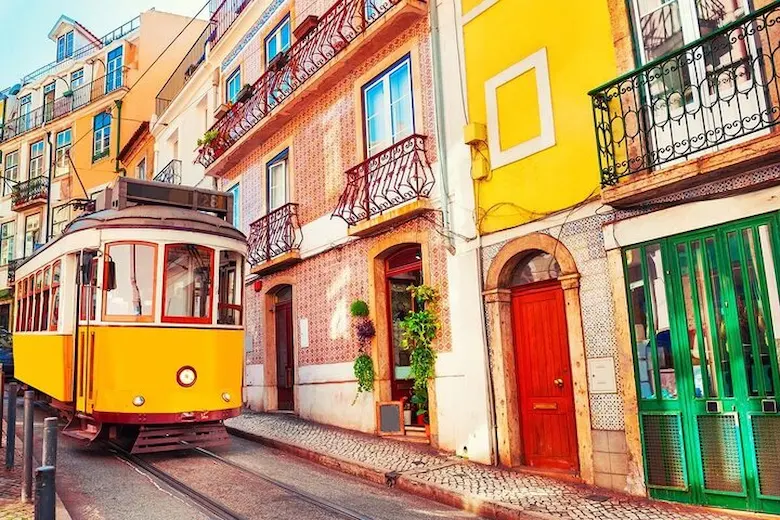
The Alfama neighborhood in Lisbon is the oldest part of the city, keeping the spirit of Portugal alive with its narrow streets, colorful houses and traditional Fado music. With its centuries-old history, historic cobblestones and typical architecture, this neighborhood is the ideal place for cultural and historical exploration. In Alfama, you can discover ancient monuments and beautiful churches from different historical periods, including the São Vicente Church with its wonderful views over the Tagus River. Visiting this area using the famous tram number 28 is a journey into Lisbon’s past and offers an authentic experience of local culture.
Charles Bridge, Prague, Czech Republic
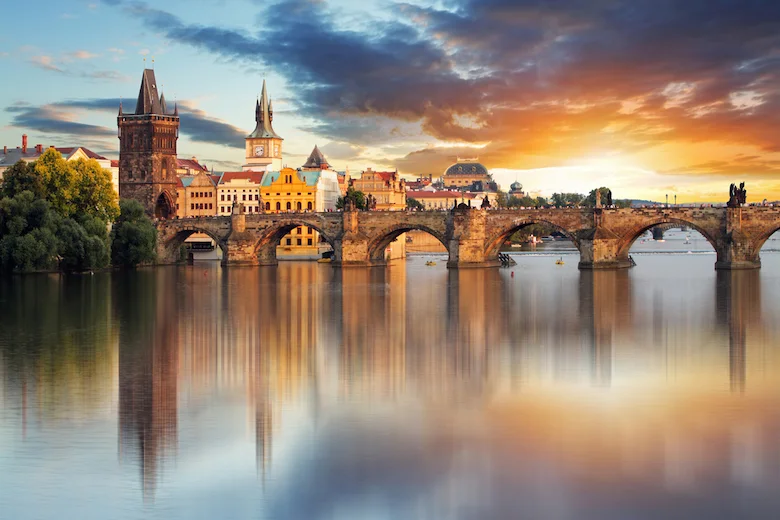
The cobblestone Charles Bridge, which spans the Vltava River, opens up to Prague Castle with its Baroque sculptures. Built in 1402 by order of Emperor Charles IV, the bridge is one of the symbols of Prague. It is beautiful in any season, but sunrise and sunset over it create unforgettable views for photographers and tourists. The bridge is not only a great place to walk, but also offers unique photo opportunities. Street artists and local vendors around the bridge help attract tourists and add to the liveliness of the bridge. By stepping onto this historic bridge, you are traveling to the heart of Prague’s history and culture and enjoying its stunning beauty.
Vatican Museums and Sistine Chapel
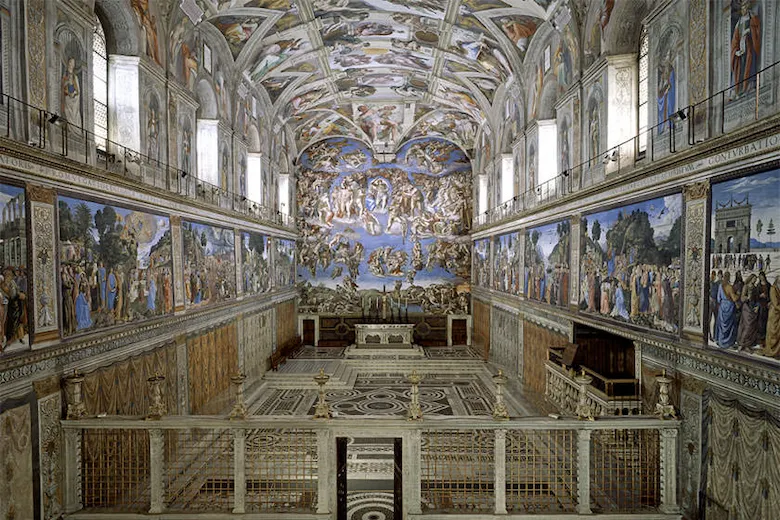
This vast museum complex is an endless treasure trove of artworks, culminating in Michelangelo’s masterpiece, the Sistine Chapel ceiling. The Vatican Museums were officially opened in 1512 and today contain thousands of works of art from different periods of history. The grandeur of this space, including the famous collection of Renaissance works, makes every visitor admire. The Sistine Chapel, with its famous ceiling depicting the great scenes of creation, is an artistic symbol of humanity. A visit to this place is essential to understand the peak of the Renaissance in European tourist attractions. Viewing the artworks along with visiting the beautiful courtyards and gardens of the Vatican brings a memorable experience to every tourist.
Moscow metro station, Russia
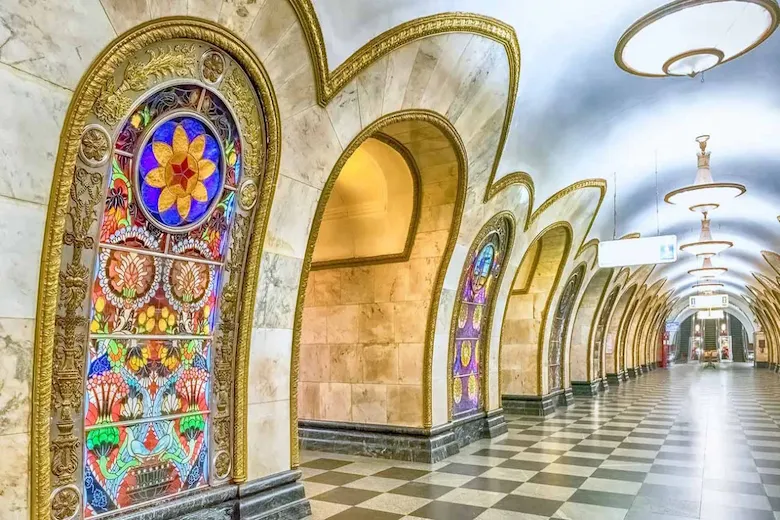
More than just a transportation network, Moscow’s metro stations are magnificent underground museums. With chandeliers, precious marbles, and bronze sculptures, they reflect the splendor of the Soviet era and provide a striking contrast to Western European styles. Each station has its own unique story and features art and architecture. For example, Klimentskaya station, known for its high ceilings and gold decorations, is a late-style example of European tourist attractions. By traveling to Moscow’s metro stations, visitors not only arrive at their destination, but also experience a delightful journey into Russian history and culture.
Santorini Islands, Greece
Santorini, with its white and blue houses perched on volcanic cliffs overlooking the Aegean Sea, is a postcard image of Greece. The island is actually the remains of an ancient volcano, known for its amazing views and stunning sunsets that attract thousands of tourists every year. The island’s black and red sand beaches give it a special charm and provide opportunities for swimming and sunbathing. Santorini is also known for its local wines and excellent restaurants serving fresh seafood and traditional Greek cuisine. The island is a popular destination for couples and lovers of natural beauty, offering peace and relaxation.
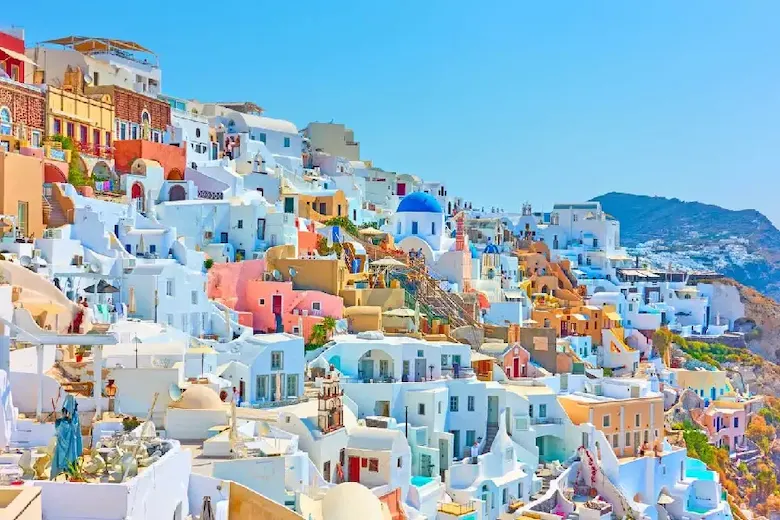
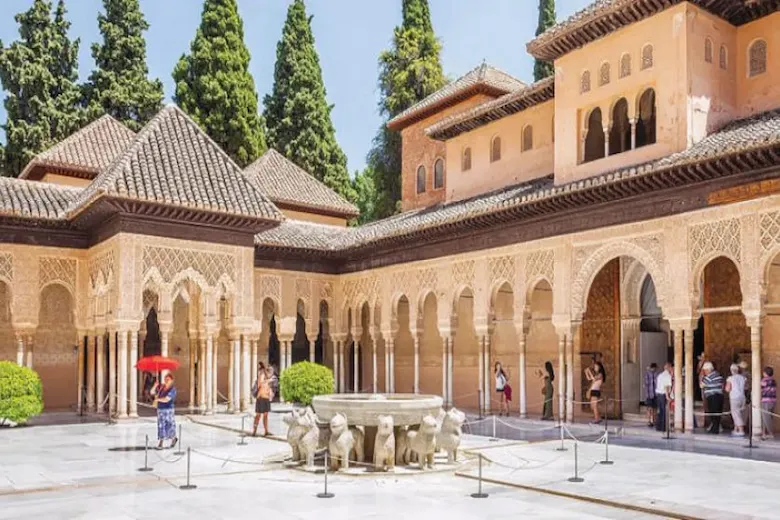
Alhambra Palace, Granada, Spain
The Alhambra Palace, the last Muslim stronghold in Spain, is a magnificent example of Islamic art and architecture. Its marble courtyards, rhythmic fountains, and intricate tilework create a beautiful contrast with the surrounding mountainous surroundings. The palace is a historical document that shows the influence of different cultures on European tourist attractions.
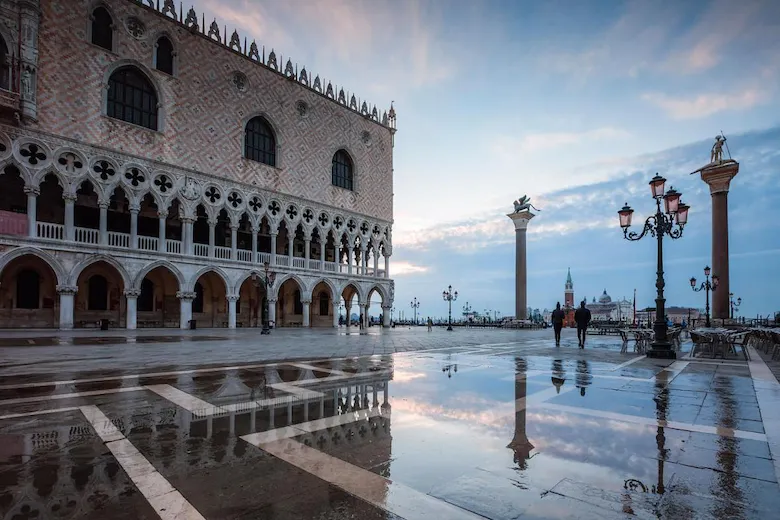
St. Mark's Square, Venice, Italy
St. Mark’s Square is the only main square in Venice, surrounded by St. Mark’s Basilica and the Doge’s Palace. It is the symbol of the city’s social life, and the experience of eating in its historic cafes while pigeons fly is a magical moment. This historic center is considered the cultural heart of European tourist attractions in Italy.
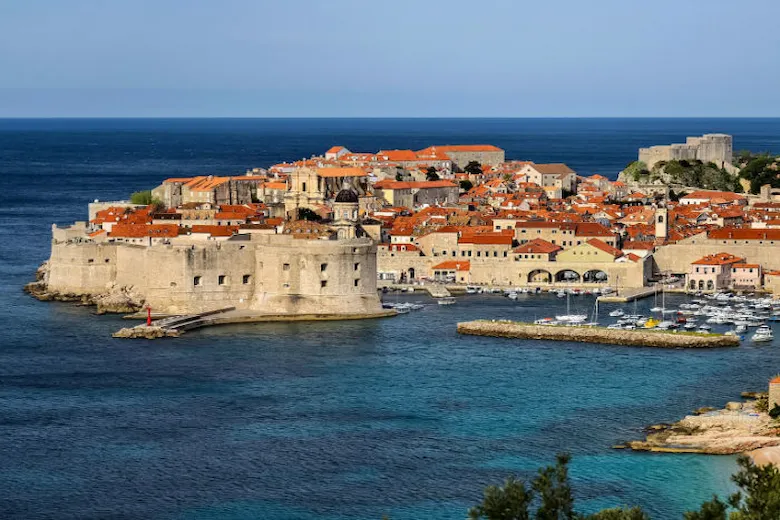
Old Town of Dubrovnik, Croatia
Dubrovnik’s massive defensive walls, which hug the city, tell the proud history of this independent republic. Walking on these walls and looking out over the red roofs and the Adriatic Sea, takes you on a historical journey. The city is one of the European tourist attractions in the Balkans due to its well-preserved medieval structure.
Heidelberg and its castle, Germany
The city of Heidelberg, with its magnificent, half-ruined castle perched atop a hill, is the epitome of German Romanticism. The castle and its adjacent old bridge offer a stunning view of the Neckar River. The view has inspired many artists and provides a relaxing experience of German history on this list of European tourist attractions.
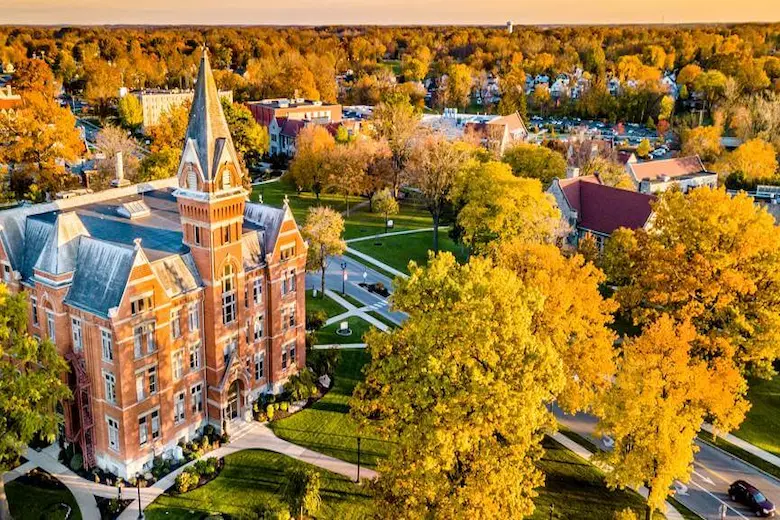
Greek residential pyramids, Athens, Greece
While the main structure of the Parthenon is the focus, some lesser-known sites, such as the buildings that challenge the Brutalist architectural style in Athens, demonstrate the evolution of modern architecture in the country. This contrast between ancient and modern gives the Greek capital a special charm and shows the diversity of European tourist attractions.
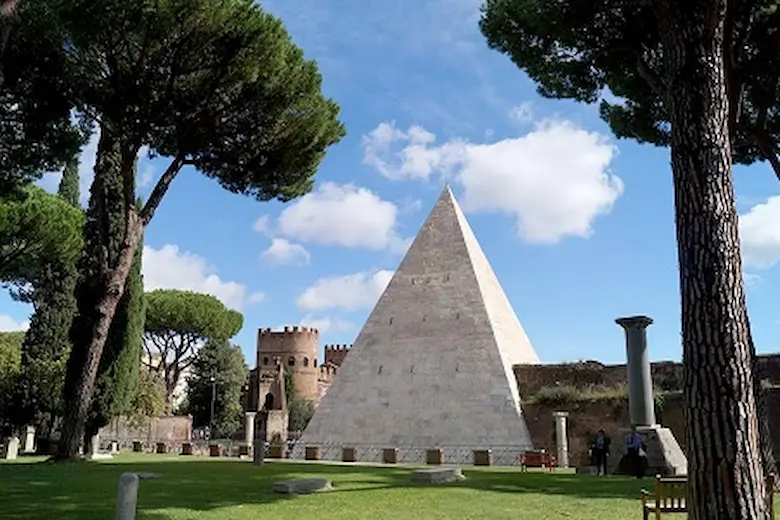
Plitvice Lakes National Park, Croatia
This national park is a stunning collection of 16 interconnected lakes, connected by waterfalls and wooden walkways. The color of the water changes with the seasons, creating a dynamic and stunning landscape. This unique ecosystem is recognized as a natural treasure in the heart of Europe.
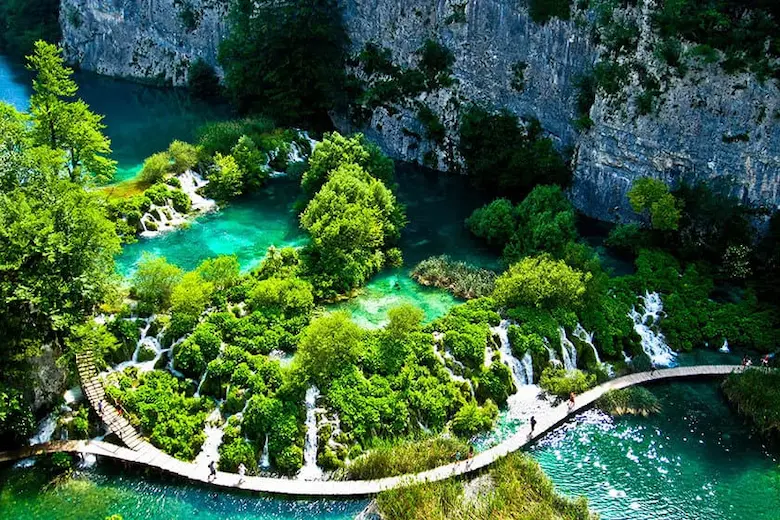
Champs-Elysees and Arc de Triomphe, Paris, France
The Champs-Élysées, one of the most famous boulevards in the world, stretches from the Arc de Triomphe to the Place de la Concorde and is a symbol of modern and luxurious Parisian life. Climbing the Arc de Triomphe offers a strategic view of all the streets and neighborhoods around the city and is one of the key points of visit among European tourist attractions.
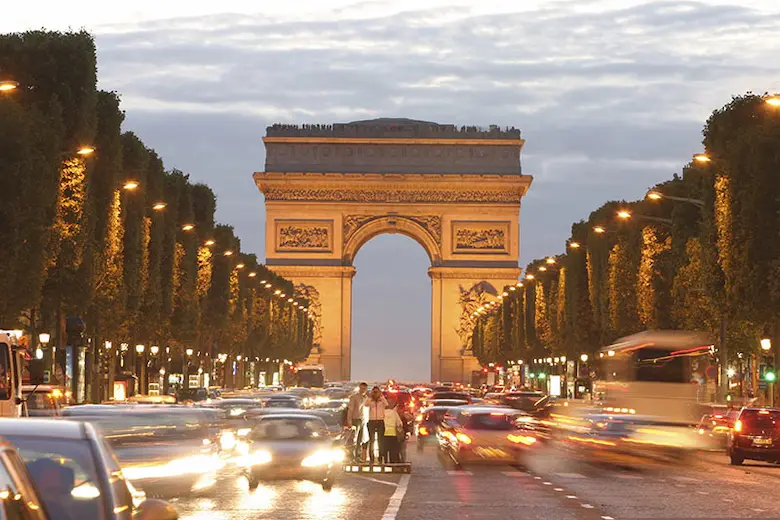
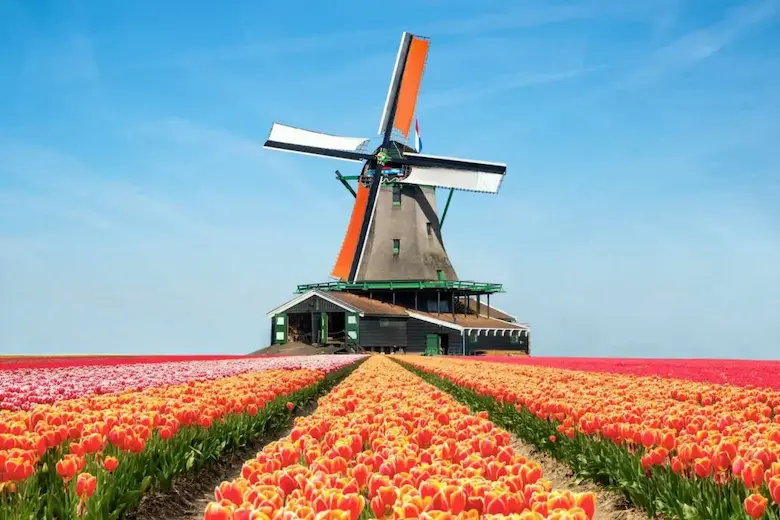
Keukenhof Tulip Field, Netherlands
In spring, the Keukenhof is transformed into a colorful sea of tulips. Open only for a short time each year, this vast garden showcases the Netherlands’ seasonal beauty at its peak, and a visit requires careful planning. This visual experience is a highlight of any spring trip to Europe.
Seville, Spain
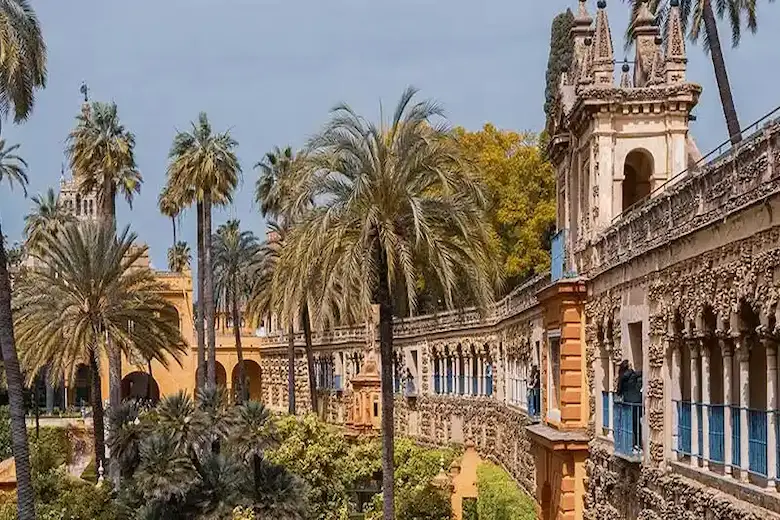
Seville, the capital of Andalusia, is a rich blend of Islamic and Christian influences, evident in the Alcazar Palace and its grand cathedral. With its flamenco dancing and tropical atmosphere, the city has a different feel to other European tourist attractions. Many people looking for a longer stay first set foot in the region on a Schengen or national visa.
Final Words
As you can see, Europe’s tourist attractions encompass a vast array of history, art, nature, and human innovation. From the remains of ancient civilizations in Athens and Rome to the magnificent Renaissance splendors of the Vatican and Paris, this continent is never the same. Europe’s ability to preserve its rich heritage while embracing architectural innovations and modern lifestyles has made it a timeless destination. Whether your goal is to immerse yourself in classical art, or even seek new opportunities by immigrating to Europe, this continent will be welcoming. Finally, it goes without saying that the beauty of this destination lies in its unparalleled diversity.
At Nobility Immigration Institute, we specialize in consulting for immigration to Europe, Greek visas, German visas, Digital Nomad visas, and buying a house in Greece. Dear friends, you can contact us through the communication bridges for more information and free consultation.