
The continent of Europe has always been recognized as one of the top economic powers in the world due to the high knowledge of economic experts. Today, the European economy has received special attention, and many countries in the world are trying to find a way to achieve economic prosperity by taking advantage of the economic strategies undertaken by European governments. Today, the countries of Germany, England, France, Italy and Spain are known as European economic powers. In this article, we are going to examine the European economy from 0 to 100. So don’t miss this article and follow us till the end.
European economy
With 731 million people in 48 different countries, the European economy is the second largest economy in the world after the United States. The level of wealth in different countries of the continent varies significantly. However, even the poorest countries in Europe are significantly higher in terms of GDP and living standards than poor countries in other parts of the world. It is interesting to know that the richest 10% of people in Europe own 27.6% of the total wealth. Today, the countries of Germany, Italy, France, Spain and England are known as the strongest European economies, which has caused us to see an increasing number of investment applicants and immigrants to these countries and allied countries.
The perspective of the European economy is facing numerous challenges and opportunities, and future policies and developments will play a key role in determining the path of the economy in the coming years. Stay with us in the rest of this article to provide you with more complete information about the European economy.
History of the European Economy Community
1945-1957: Foundation
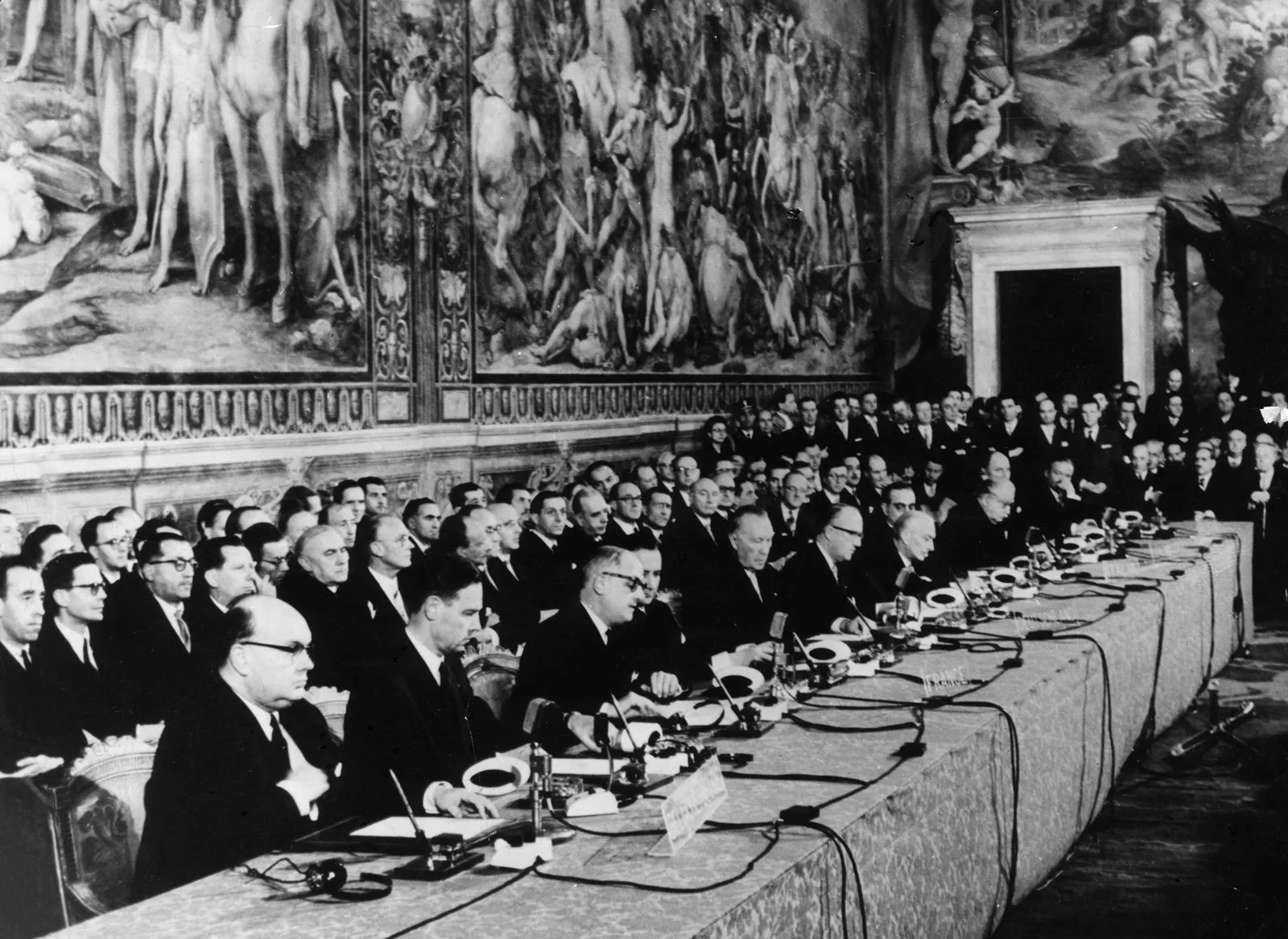
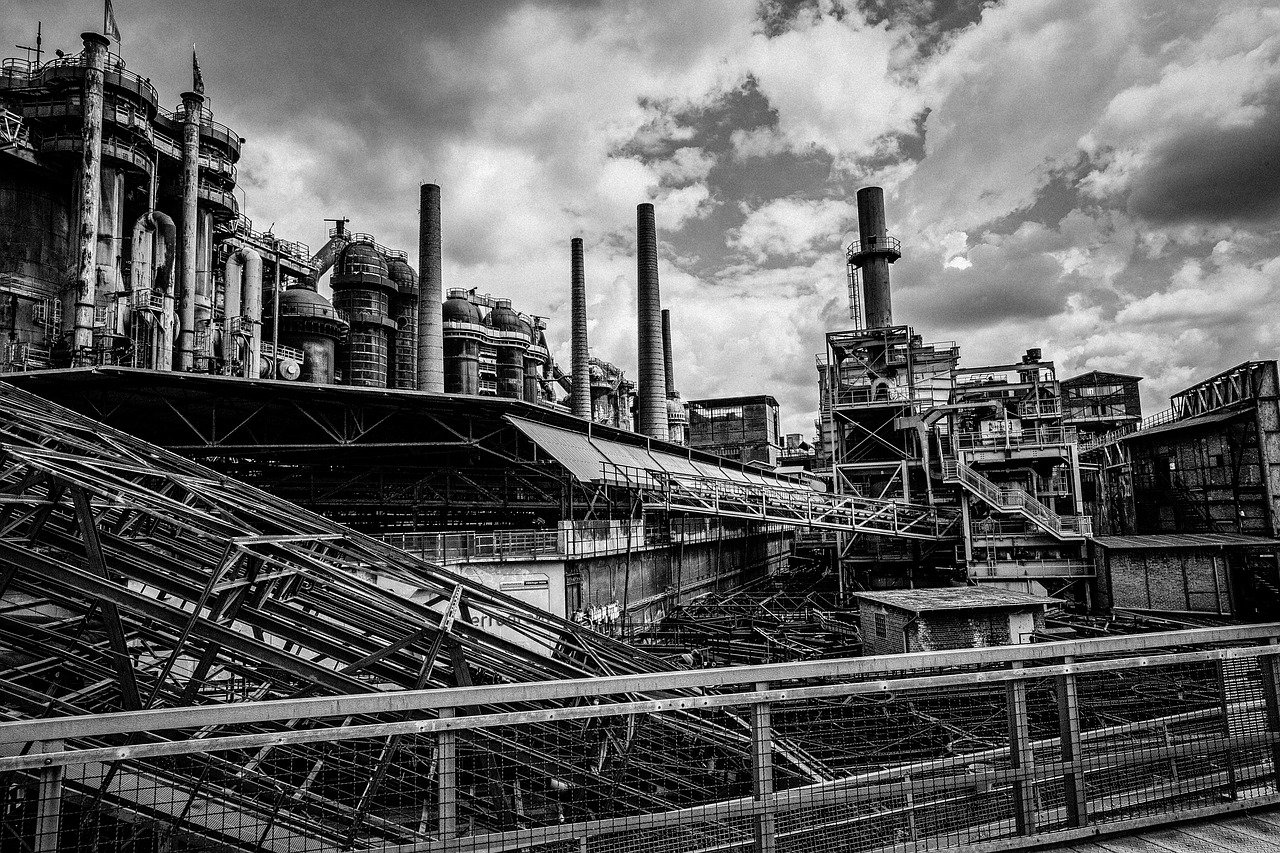
After World War II, Europe was devastated, but to prevent future conflicts and promote peace and prosperity, European leaders sought economic cooperation. In 1951, the Treaty of Paris facilitated the creation of the European Coal and Steel Community (ECSC). This was the first step in creating a common market for coal and steel, essential for the war industry. The success of the ECSC led to the Treaty of Rome in 1957, which established the European Economic Community (EEC). Originally, the EEC consisted of six countries: Belgium, France, West Germany, Italy, the Netherlands, and Luxembourg.
1958-1986: Consolidation and Growth
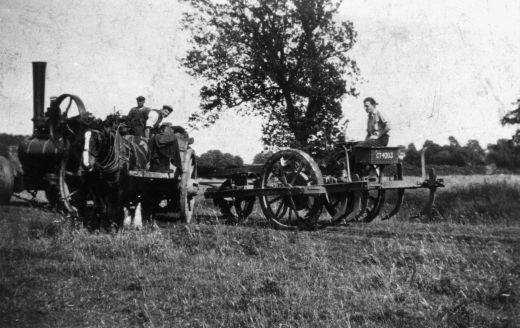
By removing tariffs and other trade barriers between member countries, the EEC created a common market, which led to increased trade, investment, and economic growth. In 1962, the Common Agricultural Policy (CAP) was introduced, which supported farmers with subsidies and guaranteed prices. In 1973, the European Union (EU) was established, merging the EEC with two new pillars, the European Coal and Steel Community (ECSC) and the European Atomic Energy Community (EURATOM). It is worth noting that during this period, Great Britain, Ireland, Denmark and Greece joined the EEC.
1987-1992: Single market
In 1985, the Single Europe Act was passed, aiming to complete the single market by 1992, which led to the removal of remaining barriers to trade, including border controls, technical standards and financial regulations. The creation of the single market was a great success, leading to increased trade, investment and economic growth.
1993-2007: The European Union and the Euro
In 1993, the Maastricht Treaty was signed, establishing the European Union and paving the way for a single currency, the euro. The euro was introduced in 1999 as the currency of 11 EU member states, and in 2004, the European Union expanded significantly with the accession of 10 new countries from Central and Eastern Europe. After the enlargement of the European Union, in 2007, the Treaty of Lisbon came into force, which gave more powers to the European Parliament and national parliaments and strengthened the role of the President of the European Union.
2008-2020: Crisis and Recovery
In 2008, the global financial crisis severely affected the economy of the European Union, as a result of which some countries, especially Greece, had to receive financial aid from other EU member states. In response to the crisis, the European Union implemented reforms to strengthen financial supervision and economic integration. Meanwhile, in 2016, the UK voted to leave the European Union (Brexit), and finally in 2020, the UK will completely leave the EU.
2021-today: European economy growth
Following the outbreak of COVID-19, the European Union launched a €750 billion recovery program called Next Generation EU to help member states cope with the economic consequences of the pandemic. The EU is also tackling challenges such as climate change, migration and the rise of populism. In 2022, the European Union faces a new crisis due to Russia’s invasion of Ukraine. The European Union has imposed severe sanctions against Russia and provides financial and military aid to Ukraine, and in the same direction, with many negotiations between the powerful member states of the European Union and Russia, efforts are being made to end this war so that the European economy can be strengthened. return to its former self.
The structure of the European economy
But the European economy is based on the single market, which means the free movement of goods, services, capital and labor between the 27 EU member states. This has led to increased trade, investment and competition. This structure is based on the decisions and behaviors of key European institutions and organizations. The key European organizations are:
European Union (EU): responsible for general economic policies and monitoring their implementation.
The European Central Bank (ECB): is responsible for monetary policy in the Eurozone, where 19 EU member states use the Euro as their currency.
European Commission: It is the executive branch of the EU and is responsible for making legislative proposals and implementing EU laws.
Council of Europe: consists of heads of EU member states and makes decisions on important policy issues.
European Parliament: represents the people of Europe and votes on EU laws.
Key challenges facing the European economy
Inequality: The gap between rich and poor in Europe is widening. The richest 10% of the population own more than 25% of the wealth, while many people struggle with poverty and economic insecurity. This inequality can lead to social and political tensions, reduce social cohesion and hinder economic growth.
Climate change: Climate change is a serious threat to Europe. This has led to extreme weather events such as droughts, floods and storms that damage infrastructure, agriculture and economies. To reduce greenhouse gas emissions and adapt to the effects of climate change, Europe needs significant investment in renewable energy sources, more efficient technologies and conservation measures.
Aging population: Europe’s population is aging and the fertility rate is low. This leads to labor shortages, increasing pressure on social welfare and health care systems, and slowing economic growth. To meet this challenge, Europe needs immigration, increased participation of women in the labor force and reforms of pension systems.
Geopolitical tensions: Geopolitical tensions, such as the war in Ukraine, can lead to economic uncertainty, rising energy prices and supply chain disruptions. Europe should work to reduce its dependence on energy imports from Russia, strengthen its energy security, and work with international partners to reduce tensions and promote peace.
Important perspectives of the European economy
Green energy transition: Europe is transitioning to a low carbon economy and this creates new opportunities in renewable energy, energy efficient technologies and related industries. This transition can help create jobs, reduce dependence on energy imports and combat climate change.
Single Market: The European Single Market is the largest single market in the world and has significant potential for trade, investment and innovation. Europe can fully exploit this potential by strengthening the single market, removing remaining barriers to trade and investment and promoting competition.
European Union: As a powerful political and economic bloc, the European Union can play an important role in dealing with common challenges such as climate change, inequality and global competition. Cooperation and solidarity among member states is necessary to find common solutions and implement effective policies.
Digital technologies: Europe is making progress in digital technologies and has the potential to become a world leader in this field. Investing in education, research and development, and digital infrastructure can help create jobs, increase productivity, and create new business models.
Key stages of the development of the European economy
Common Agricultural Policy (CAP): Introduced in 1962, CAP supported farmers with subsidies and guaranteed prices. This helped increase agricultural production and stabilize food prices in the EU.
Structural reforms: In the 1980s and 1990s, many EU member states implemented structural reforms to increase the efficiency and competitiveness of their economies. This included privatization, deregulation and greater labor market flexibility.
European Monetary Union: The creation of the euro as a common currency has increased price stability in the EU economy and facilitated trade and investment between member states.
Enlargement of the European Union: The accession of new countries to the European Union has expanded the market for trade and investment and contributed to economic growth.
Today, the European economy is one of the largest and most powerful economies in the world. However, it also faces challenges such as inequality, climate change and global competition. The future of the European economy depends significantly on how these challenges are addressed and reforms are implemented to increase innovation, competitiveness and sustainability.
Economic powers of the European Union
Stay with us to introduce 5 of the strongest economic powers of the European Union.
Germany
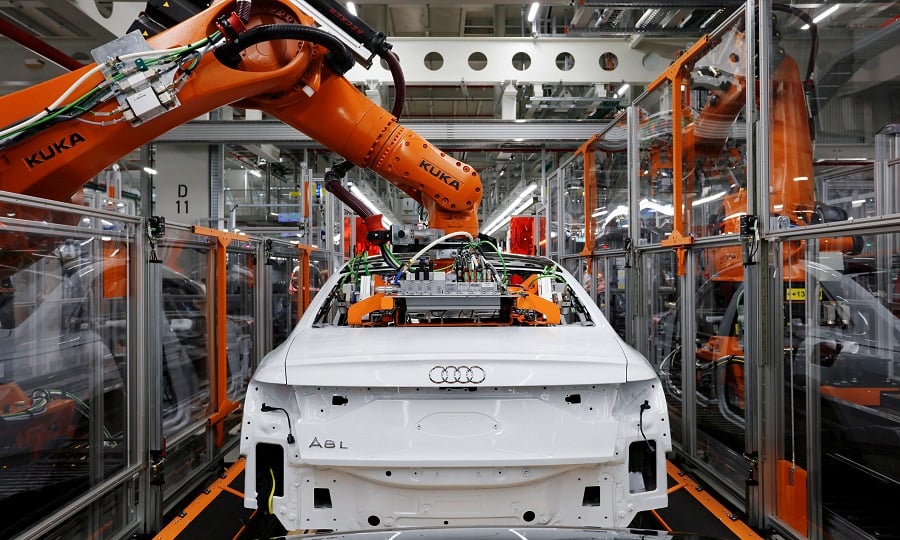
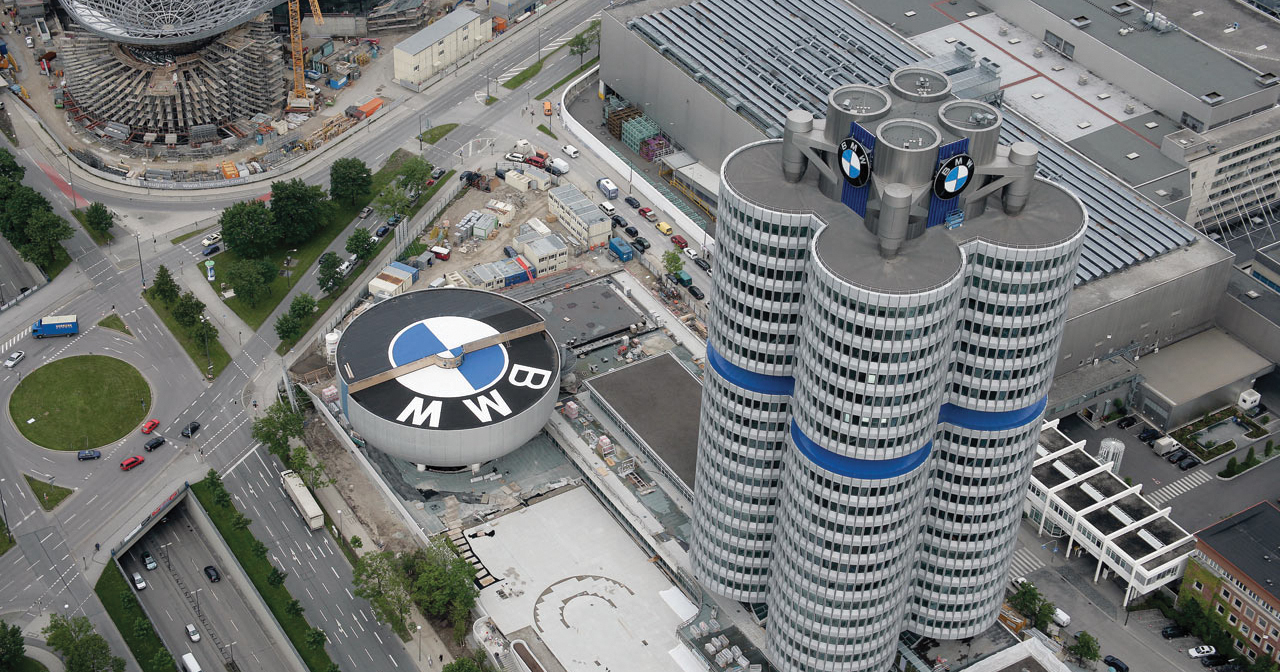
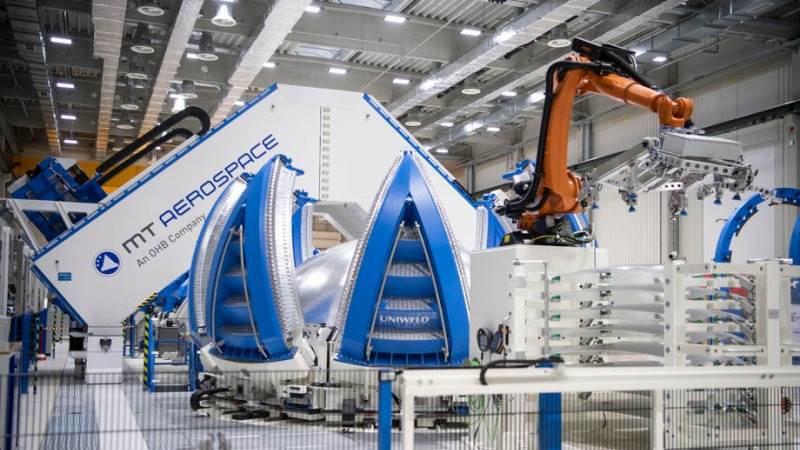
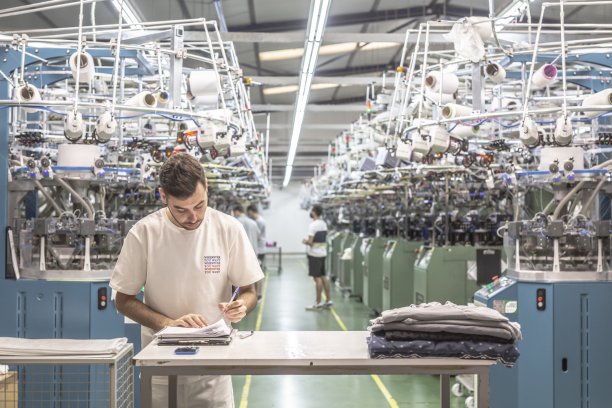
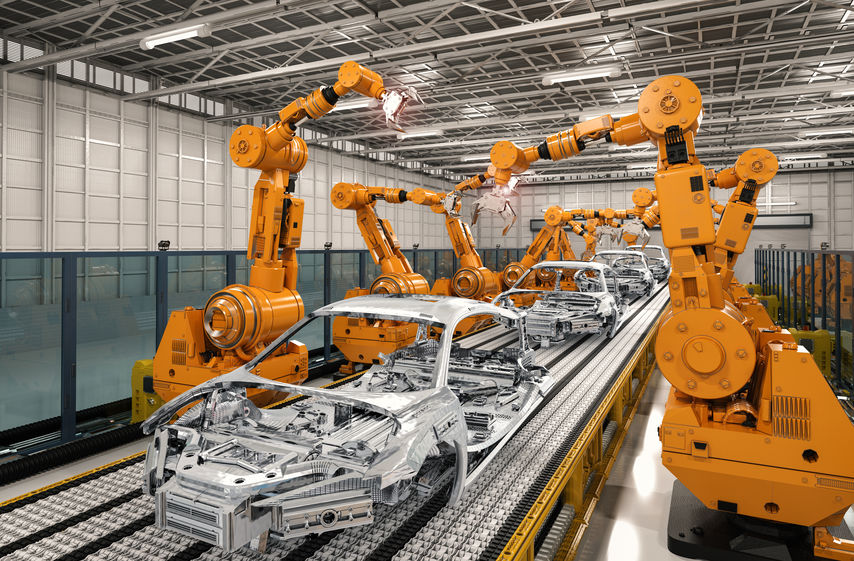
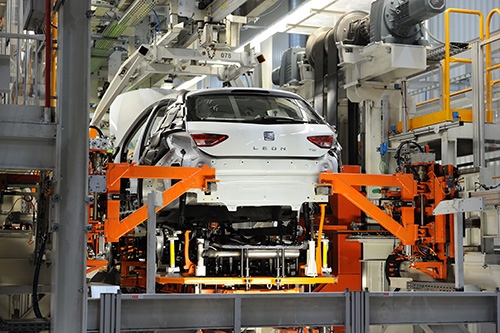
First, let’s introduce and review the strongest economy in Europe, that is, the industrialized and popular country of Germany. Germany has the largest share with about 25% of the total vacuum production of the European Union. The wide economic market and the professional workforce working in Germany, as well as the low level of economic corruption in this country, have made Germany one of the strongest economies in Europe. In general, 71 percent of Germany’s economy is covered by services, 28 percent by industry, and the rest by agriculture. The most important industry in Germany is the automobile industry, and today this country hosts famous brands such as Mercedes-Benz, BMW, Porsche, Audi, Volkswagen, etc. Also, the provision of the blue card in Germany has led to a significant increase in job applicants in Germany.
England
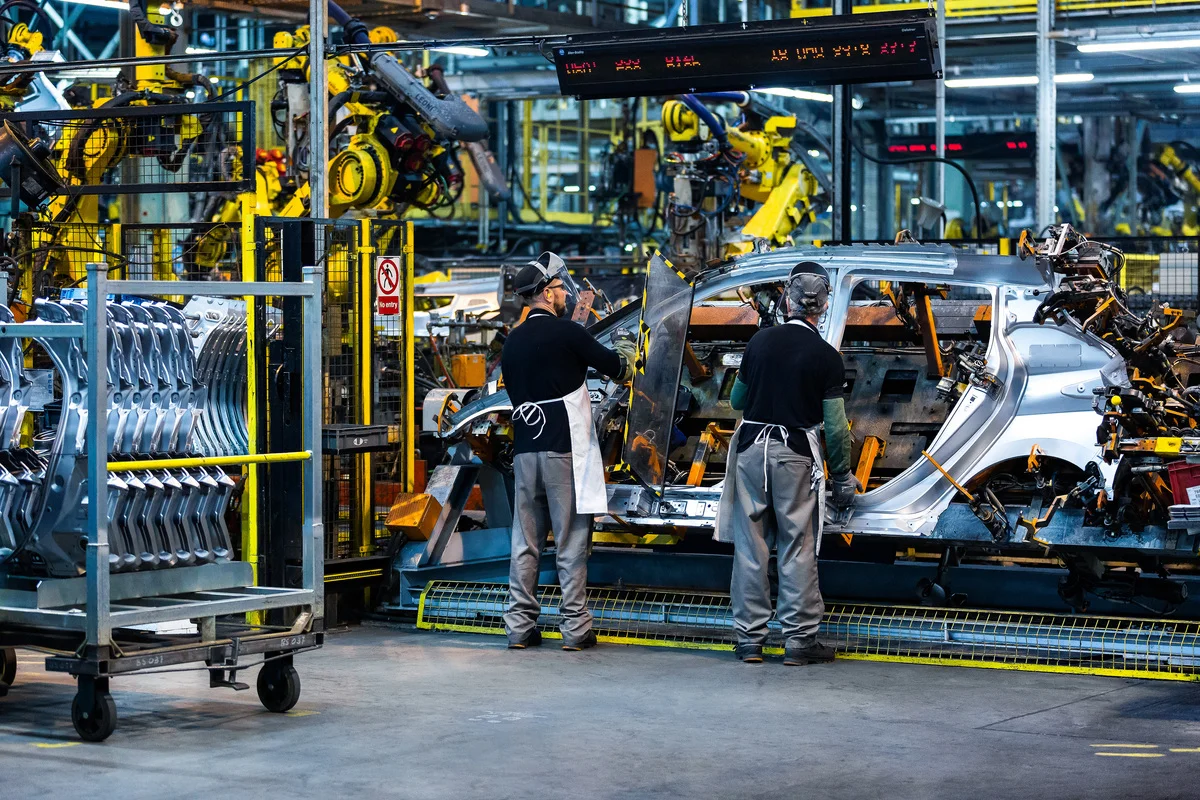
Despite the fact that England endured many economic crises in recent years, it is still among the top 10 economies in the world. This country continues to experience high economic growth and it is interesting to know that England is known as the first economic pole of the world. It is worth mentioning that during the past years, this country has been able to allocate about 4% of the world’s gross domestic product, which is a good number. In 2020, England left the European Union and was able to achieve a special independence in its economy and government and royal affairs.
France
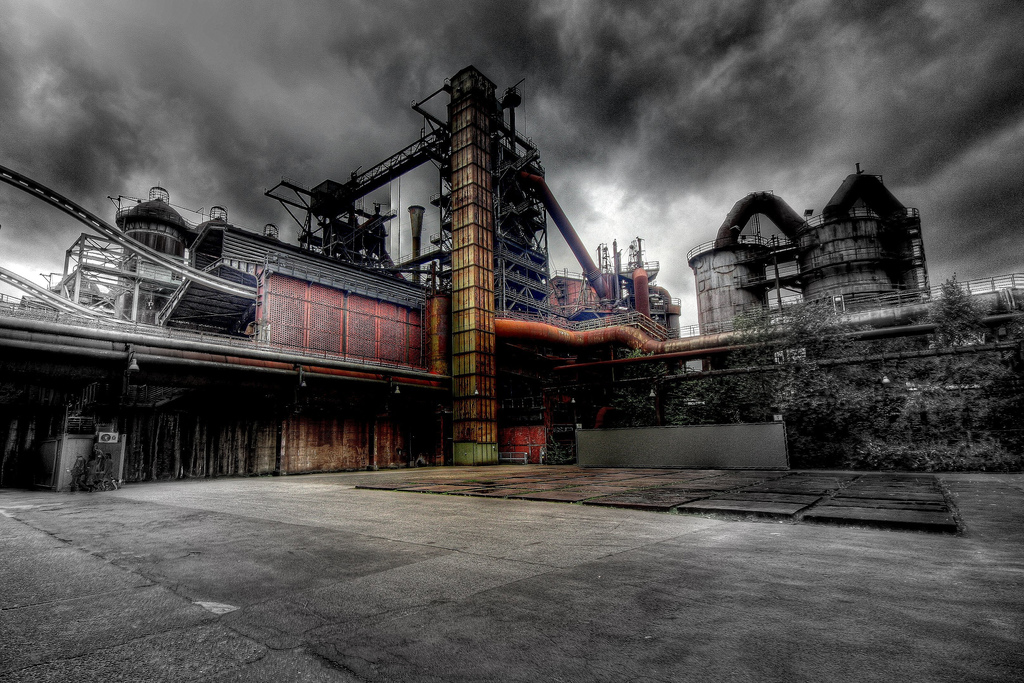
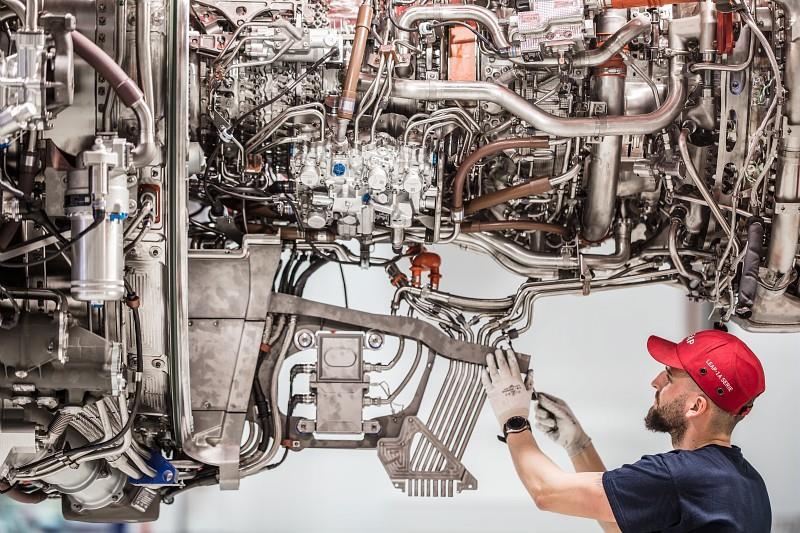
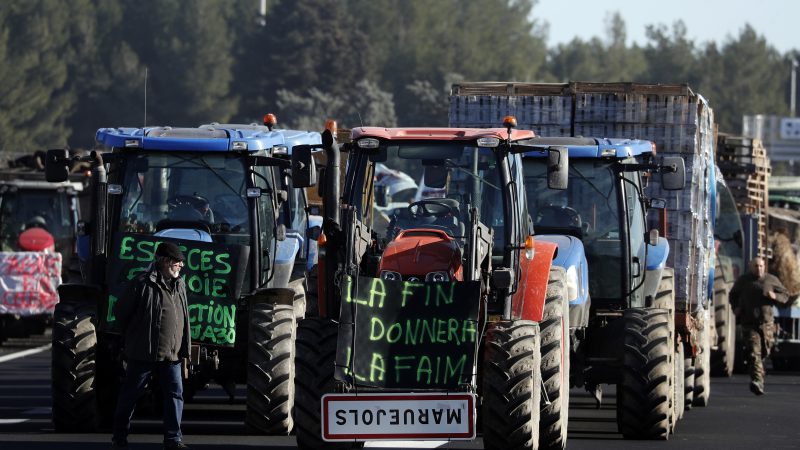
But let’s examine the second best economy of the European Union, France. This country has managed to account for about 18% of the EU’s gross domestic product and has played a special role in the growth of the European economy. The presence of mines, rivers and a lot of agricultural land in France has caused this country to pay special attention to the production of agricultural products. In addition, many French people are working in public and private factories and companies, which has contributed greatly to the economic growth of France.
Italy
Today, Italy is recognized as the third leading country in the field of economy in the EU, with about 13% of the EU’s gross domestic product. This country has an advanced economy in the capitalist system and is one of the important members of that system. The main sector of the Italian economy is the service sector, which includes services such as metalworking, machinery, chemical, vehicles, food and beverages, textiles and clothing, aircraft, shipbuilding, petrochemical, electrical, munitions, and clean energy industries. But there are also discriminations in the Italian economy. In general, in the south of Italy, most people are engaged in agricultural activities, while in the north of Italy, we see more industrial activities. This has caused the people in the south of Italy to be a little poorer than the people in the north.
Spain
Spain is the fourth largest economy in Europe and today accounts for more than 9% of the EU’s GDP. This country was struggling with a severe economic crisis before the beginning of the new century, but with the change of the country’s official currency from the peso to the euro, we saw a very high economic growth. This economic growth was especially evident in the field of real estate purchase and unemployment rate. Based on this, the unemployment rate in this country decreased to 6% and the housing market experienced a huge growth. Today, this country has been able to earn significant capital by offering residence and Schengen visa to people who buy property in Spain.
In general, the continent of Europe has been able to overcome many economic ups and downs due to the good empathy that exists between its countries to become one of the most dreamy areas in the world for living, working, studying, tourism and treatment. While thanking you dear ones for accompanying us in this article, we hope that the presented material will be useful for you dear ones. Nobility Immigration Institute is specialized in the field of consulting for obtaining European residency through property purchase or financial resources. You can contact us for more information and free consultation.