
Humanitarian visas are granted to people who cannot continue in their home country due to war, discrimination, violence, severe diseases, or unsafe humanitarian conditions. Obtaining this visa not only ensures their physical and psychological safety, but also provides access to medical services, education, accommodation, and modern living facilities. Today, in this article, we are going to fully introduce the humanitarian visa and the steps to obtain it. Follow us until the end.
Table of Contents
ToggleWhat is a humanitarian visa?
A humanitarian visa is a type of visa granted to individuals to live as immigrants in a country outside their own country, but with specific conditions that are usually designed based on humanitarian, social, or humanitarian needs. This visa is issued to individuals who are unable to receive appropriate medical care in the host country, including Iran, due to certain conditions such as severe illnesses, disabilities, or the need for advanced medical care. It can also be issued to individuals who are threatened by humanitarian crises such as war or social crises in their home country.
Humanitarian visas are often issued on a temporary basis and include specific conditions such as proof of medical need, support from international organizations, or family support. This visa not only helps individuals access medical care and support in emergency situations, but also reflects the values of humanity, empathy, and philanthropy in the immigration policies of host countries.
The best countries offering humanitarian visa
Now you may be wondering which countries in the world provide the best conditions for humanitarian visa applicants? Join us as we introduce them:
Canada
Germany
United States
Scandinavian countries including Norway, Sweden and Denmark
Austria
Netherlands
Switzerland
Italy
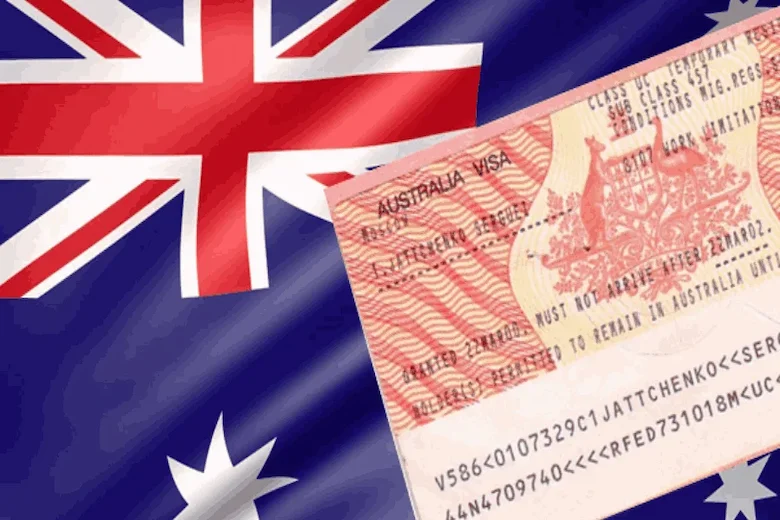
Australia
New Zealand
A 0-100 Guide to Getting a Humanitarian Visa
As we mentioned earlier, obtaining a humanitarian visa requires paying attention to a series of specific and systematic steps to ultimately reach your final goal. These steps include:
Identifying the conditions and priorities for receiving a humanitarian visa
In the first step, you should carefully review the legal requirements and priority level for obtaining a humanitarian visa in the country of interest. This visa is issued to people who are unable to receive appropriate treatment in their own country due to serious illnesses, disabilities, or the need for advanced treatment. Therefore, you should first study the required documents through the official websites of the Ministry of Foreign Affairs or the immigration organization of the host country and make sure that you meet the requirements for this visa. This step is very crucial, because if the conditions are not met, your application will be rejected and additional time and costs will be incurred.
Collecting medical records and proving the need for treatment
In the second step, you need to collect valid medical documents and proof of the need for treatment in the host country. These documents should include detailed medical reports, diagnosis, medical recommendations for treatment and possibly opinions from specialists in the field. These documents should be translated into the official language of the host country and certified by reputable organizations. Also, if it is possible to receive treatment in your home country, it must be proven that this treatment is not possible or of insufficient quality in your home country. For this purpose, it is recommended to use the advice of immigration and medical experts to ensure that your documents are complete and acceptable.
Submit a request and register in the relevant system.
But after preparing all the documents, you need to submit your application through the official visa application system in the host country. This process is done through the official website of the embassy of the host country and involves filling out online forms, submitting digital documents, and paying the application fee. At this stage, you need to make sure that all the information entered is accurate and consistent with the submitted documents, as any discrepancies or mistakes can cause the application to be delayed or rejected. It is worth noting that some countries also request the submission of physical copies of the documents, which must be sent to the embassy or consulate.
Interview and review of application by immigration officials
And at the last stage, after submitting the application, you may be invited for an interview to provide more information about your health conditions, reasons for the application and the purpose of your stay in the host country. This interview helps immigration officials to ensure the accuracy of the information and the possibility of receiving treatment in the host country. At this stage, you must answer all questions honestly and accurately and avoid providing false or inaccurate information. Finally, if you are eligible, with the approval of the host country authorities, you will be granted a humanitarian visa.

Benefits of obtaining a humanitarian visa
But obtaining this visa is not only about providing modern medical services that are appropriate for your circumstances. Obtaining a humanitarian visa can also bring numerous other benefits, which we will examine in this part of the article:
Access to advanced, high-quality medical treatment
One of the most important benefits of obtaining a humanitarian visa is the ability to access advanced and high-quality medical systems in the host country. You know that many people who suffer from severe or chronic diseases do not have access to proper treatment or the necessary treatments are not available. By obtaining this visa, they can travel to countries such as Canada, Germany or the United States of America to benefit from advanced medical services, modern equipment and international specialists. This access will not only save their lives, but also significantly increase their quality of life.
Security and social support in crisis situations
Obtaining a humanitarian visa offers security and social support to people in critical situations such as war or humanitarian crises. This visa is granted to people who are threatened in their home country and cannot live in safe conditions. With this visa, they can reside in the host country and enjoy social services, financial support and legal security. This support can include medical care, first aid, temporary housing and even the possibility of education for their children.
Possibility of temporary or permanent residence and better living conditions
Humanitarian visas are often issued on a temporary basis, but in some countries permanent residency or permanent residence is also possible. This allows individuals to live in the host country, enjoy modern living facilities and a high quality of life, and contribute to the development of the economy and culture of that country. In these countries, individuals can benefit from excellent education systems, advanced transportation systems, cultural and sports facilities, and social systems such as health insurance and pensions.
Soutien familial et hébergement pour les accompagnateurs
Another important benefit of a humanitarian visa is the possibility of bringing along companions such as spouses, children, and, if necessary, other family members. This allows individuals to have their families with them and enjoy their emotional and social support. In countries such as Canada and Germany, individuals who receive this visa can bring their families with them and benefit from social services, education, and work in the host country. This not only helps to increase the security and comfort of life, but also helps to create a stable and healthy family life in a new environment.

Final Words
As you have seen, in this article we have fully introduced the humanitarian visa. We have learned that obtaining a humanitarian visa is not only a humane and ethical act, but also provides a new opportunity to start a new and sustainable life in a safe and advanced environment. This visa can change a person’s life by providing access to advanced medical treatment, security in critical situations, the possibility of better accommodation and living facilities, and family support. Thank you for your support until the end of this article.
At Nobility Life Immigration Institute, we specialize in consulting on obtaining Schengen visa, Greek visa, German visa, Spanish Digital Nomad visa, as well as property purchase advice in Greece. For more information, just contact us.